Building date: ca. 1830s or 1840s
Original use:
Corner structures:
Mortar application and content: Vertical very heavy, bold
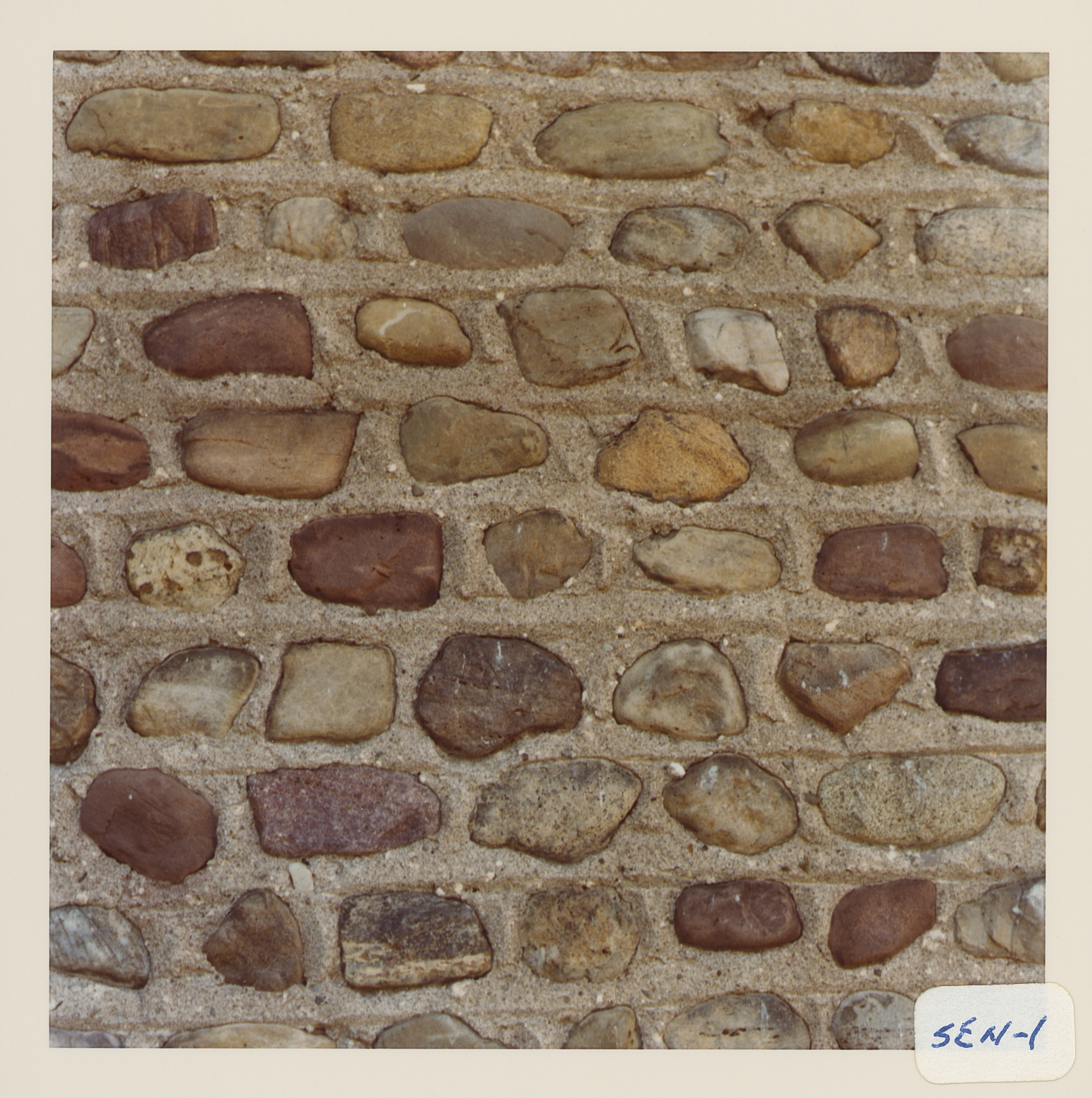
Types and uses of stones: Field stone
Types and choice of windows:
Structures with similar masonry details:
Masons who worked on building:
Unique features:
Map views courtesy Google Maps. Address is Google Earth confirmed; 42°58'43.63"N 76°55'44.18"W. Current owner of record, Smith as of the 2019 Tax Roll.
Town of Junius and Seneca County Maps
This striking four-column Greek Revival house, ca. 1830s or 1840s, is part of the Smith Farms at 533 Dublin Road, Junius. It was built for John Carmen, a prosperous farmer. A modern structure connects the main building with a smaller one-story building. There are two principle entrances, one in front and one on the east side. It is built of field stone. Richard Palmer blog.
"The Cobblestone Houses of Upstate New York", compiled by Dorothy Wells Pease. Research done in collaboration with Hazel B. Jeffery, supplemented with material furnished by Carl F. Schmidt, 1941. Reference the fourth paragraph on page 30.
Stephen Smith home - One of the best cobblestone houses, by Betty Auten, Geneva Times, September 16, 1970
Junius - To many people, reference to old houses means just one thing - cobblestone. This house owned by Mr. and Mrs. Stephen Smith on the Dublin Road is one of the best examples of the beauty in cobblestone houses. It is probably one of the largest in the county. In addition to the main part of the house, there is also a wing made of cobblestone.
Mr. and Mrs. Smith have had title of the house since 1963. Apparently the builder and first owner of the house was John Carman. No mention is made of when the house was built but in June 1876, John Carman in his will left the property to Townsend Carman.
It was the will of Thurston Carman, issued in 1895 and recorded in 1903 which creates a historical background for this particular house. In his will Townsend Carman noted: "I bequeath to my wife C.M.T. Carman one sorrel horse with hay and grains for the horse. Also, a buggy, cutter and harness. I leave her my household furniture, the use of the parlor, sitting room, bedroom, the room over the parlor, bed and clothes-press.
"I also leave her privileges in the cellar, the carriage room in the barn and one stall for her horse. She is to receive the garden and all the fruit on the farm except the apples."
To his son John W. Carman, he left the remainder of the property with the exception of $250 for each of his two grandsons.
In 1919 the house became the property of Oswald J.C. Rose. In 1928 through Jonas Hulse it was owned by the National Bank of Geneva and was sold to John Yates in 1928. Richard Palmer blog.
"Stephen Smith Home - One of best Cobblestone Houses, by Betty Auten, The Geneva Times, 10/10/1970.
Cobblestone Buildings in Seneca County, photographs and text by Walter Gable, Seneca County Historian, revised 10/25/2019.
- "Cobblestone Masonry", 1966, Carl Schmidt: Name reference, Carman - Yates House
- Pages 147 - 148
- "The Era of Cobblestone Architecture", unpublished manuscript 1972. To access the manuscript content about this structure, see 122. Seneca County, Smith House. This structure is not included in the subsequent book "Cobblestone Landmarks of New York State", 1978.
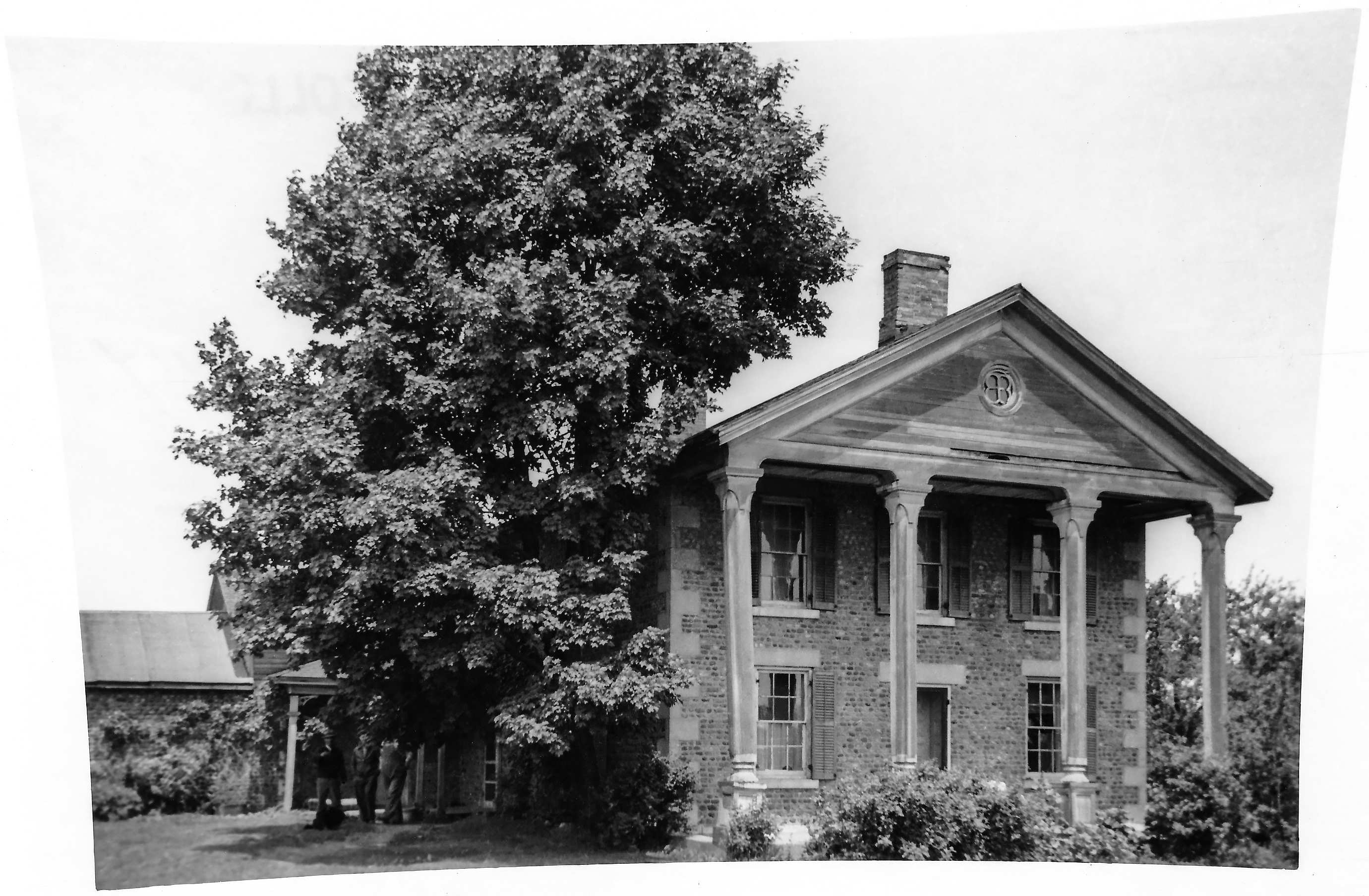 Jun-1 Smith Sen-1 2.jpg ¹ Pease Collection 1940-41 | 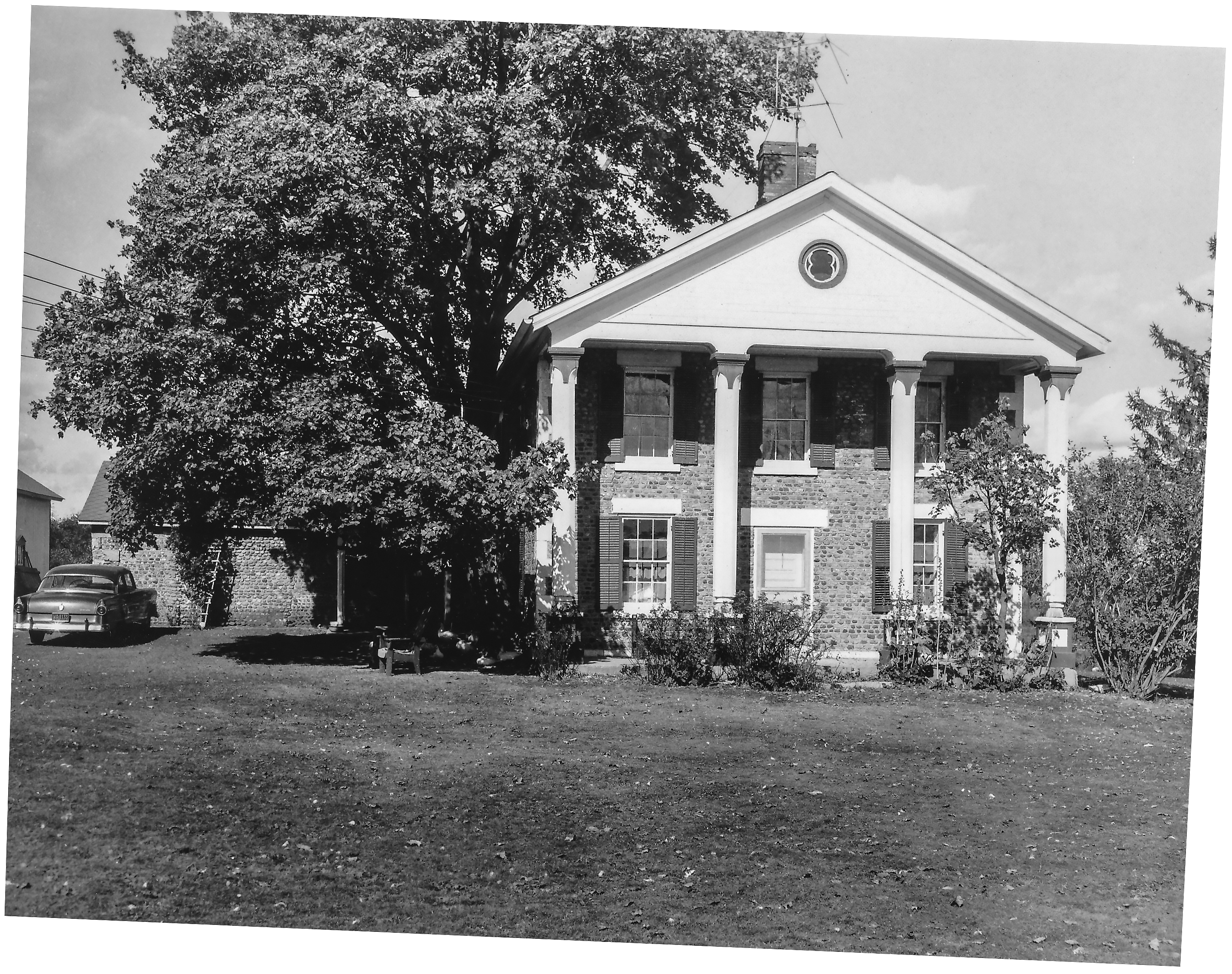 Jun-1 Smith Sen-1 4.jpg ² 1960 | 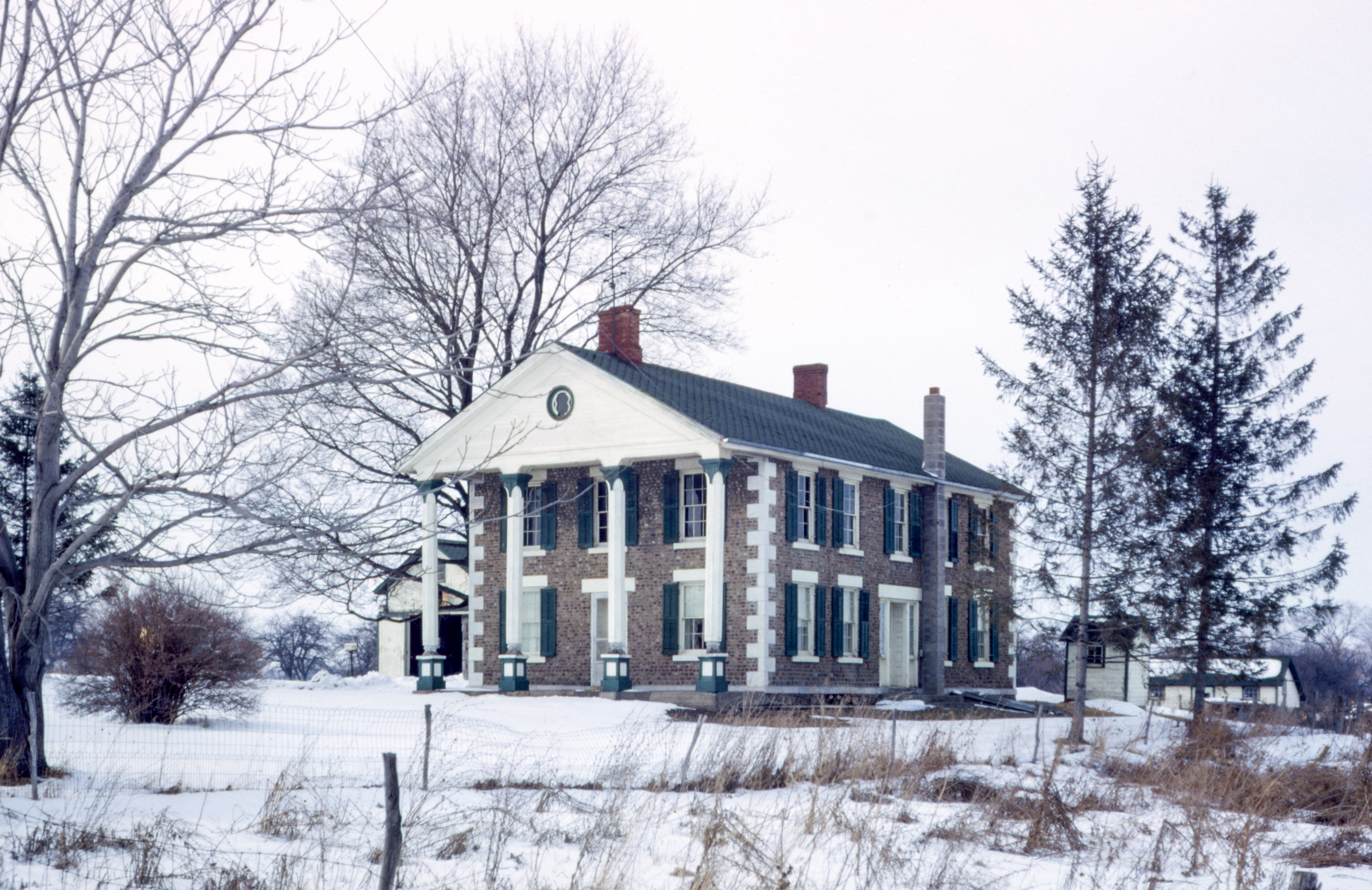 Jun-1 Smith Sen-1 1.jpg ³ March 1964 | 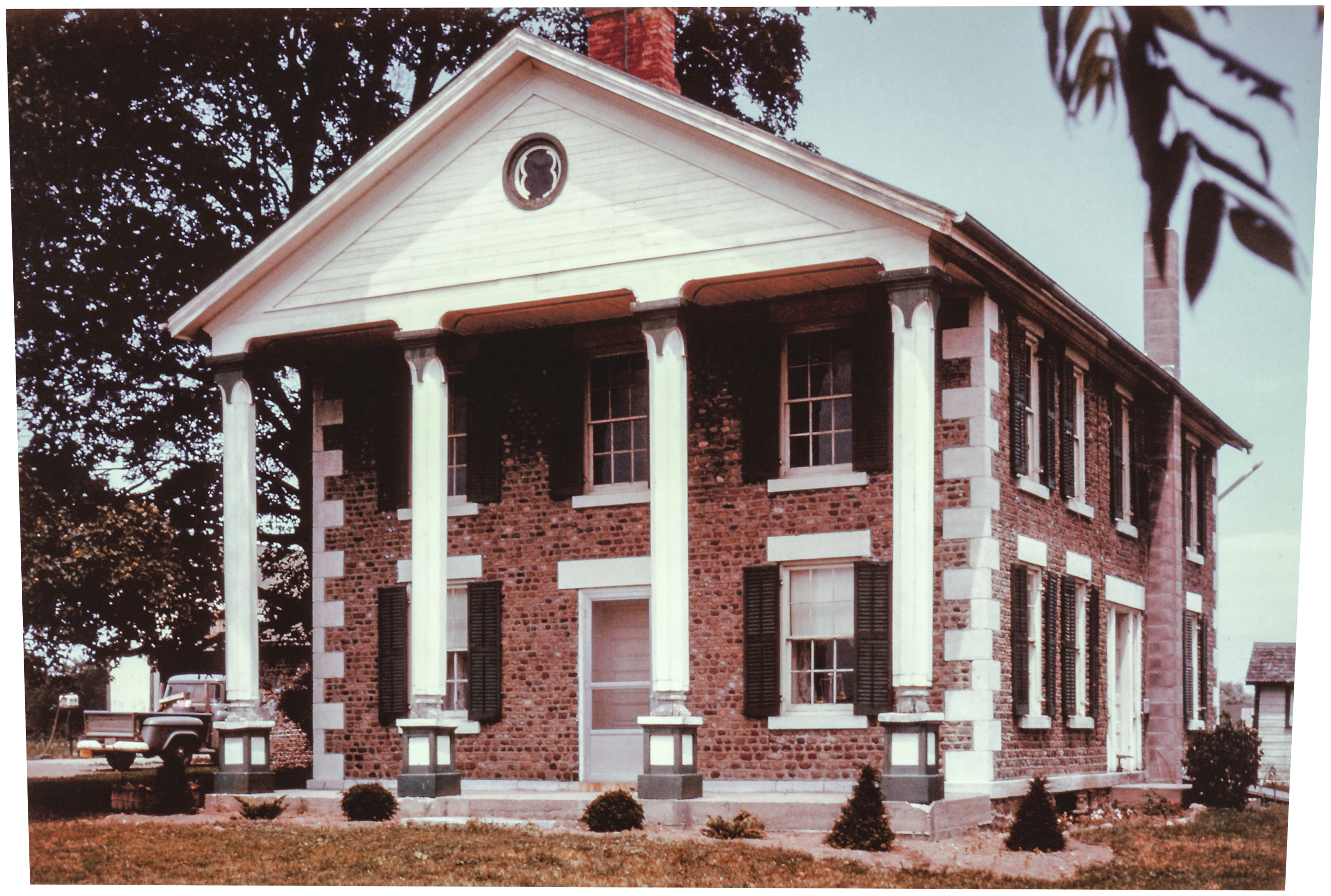 Jun-1 Smith Sen-1 3.jpg ³ June 1964 |
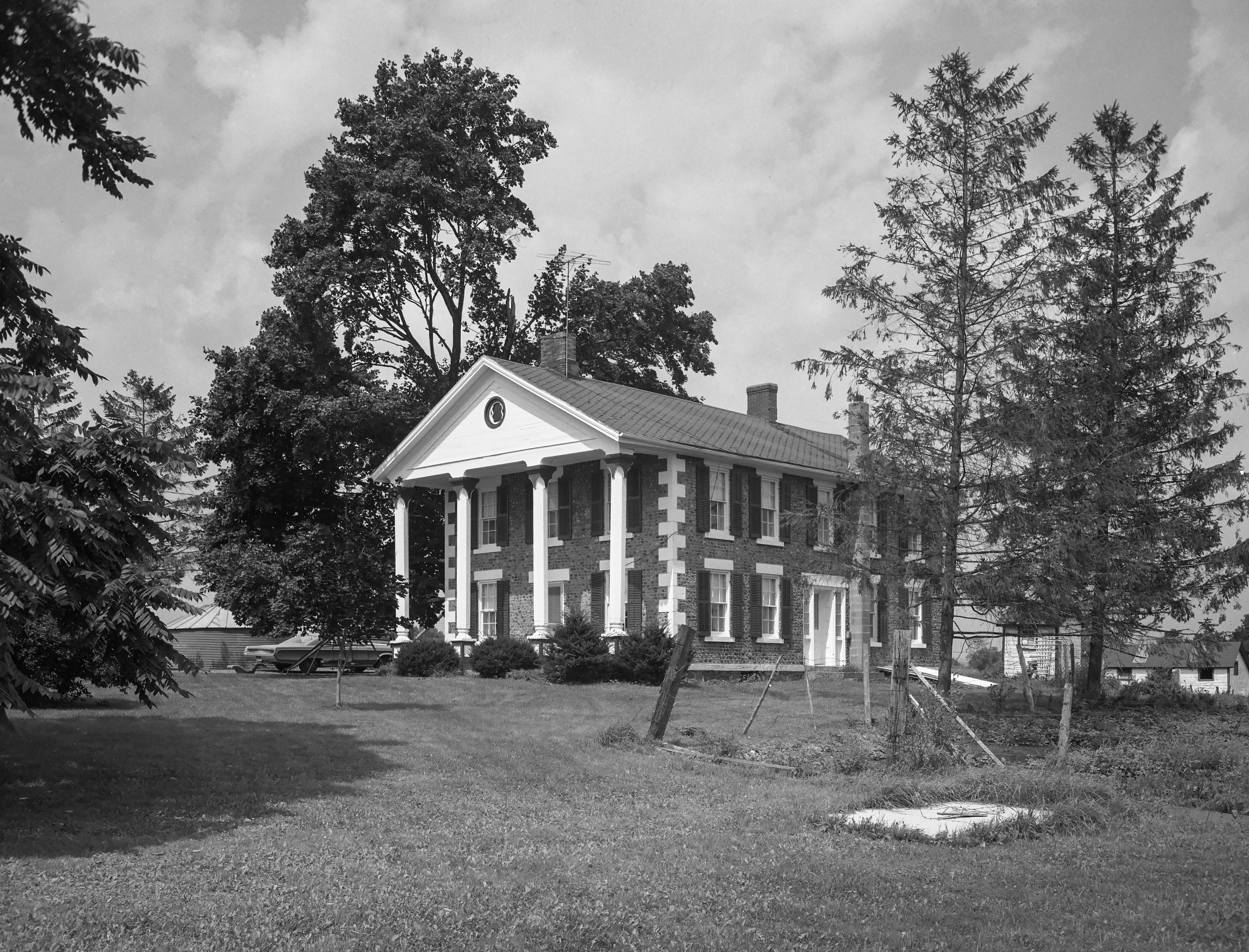 GP Seneca Junius Jun-1 1-1 N.jpg 4 8/21/1971 | 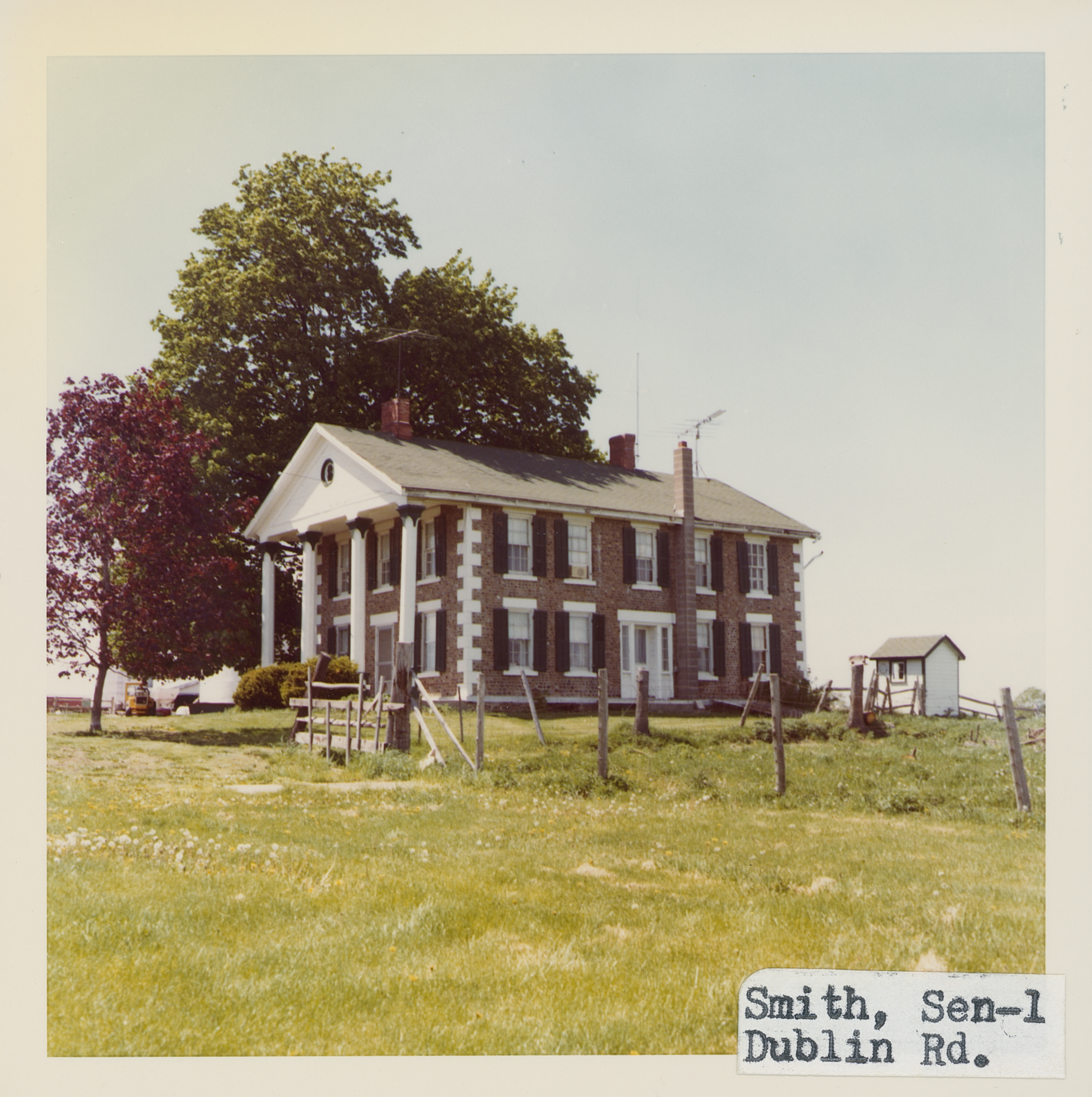 Sen_1_1.jpg | 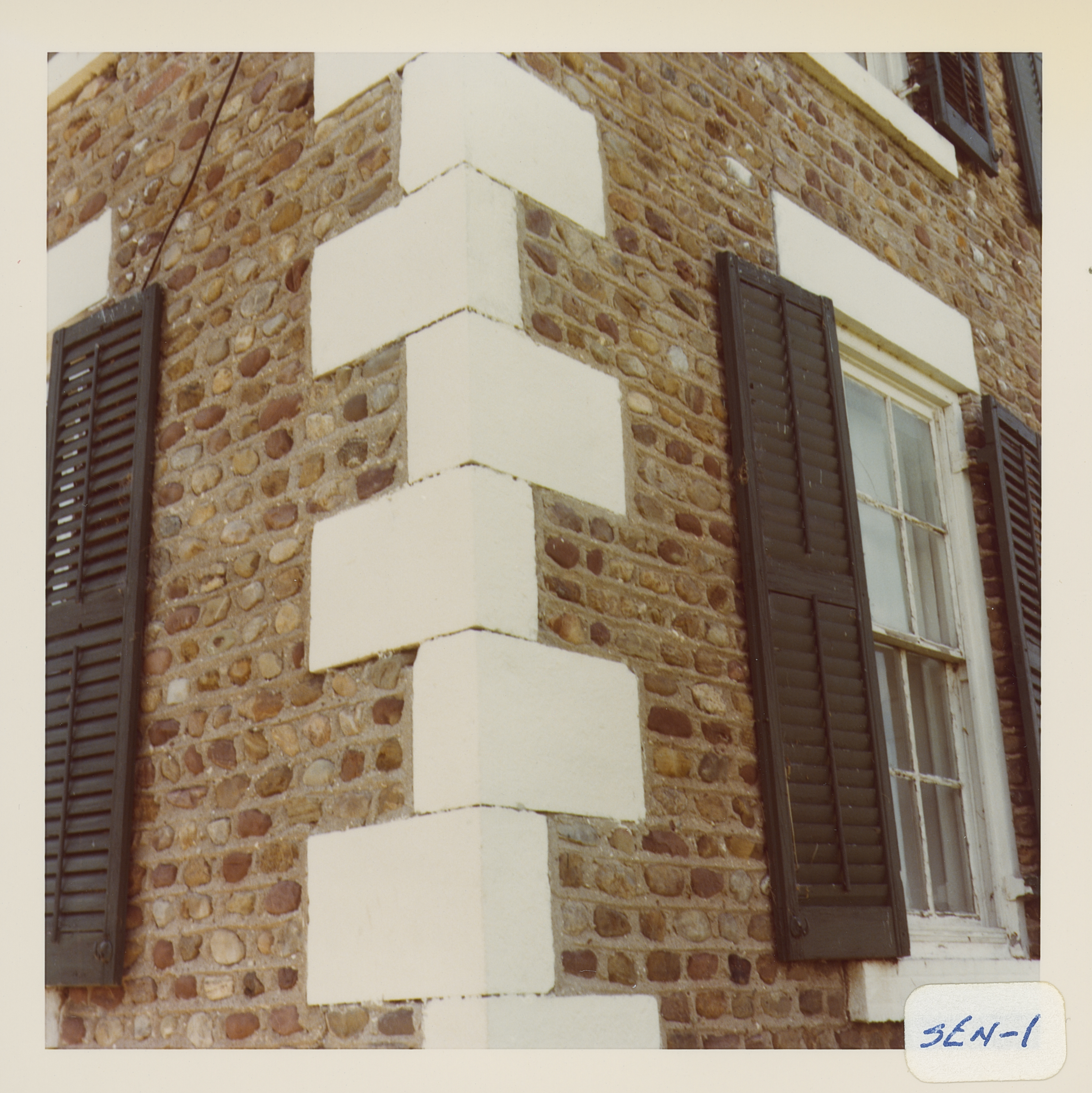 Sen_1_2.jpg | 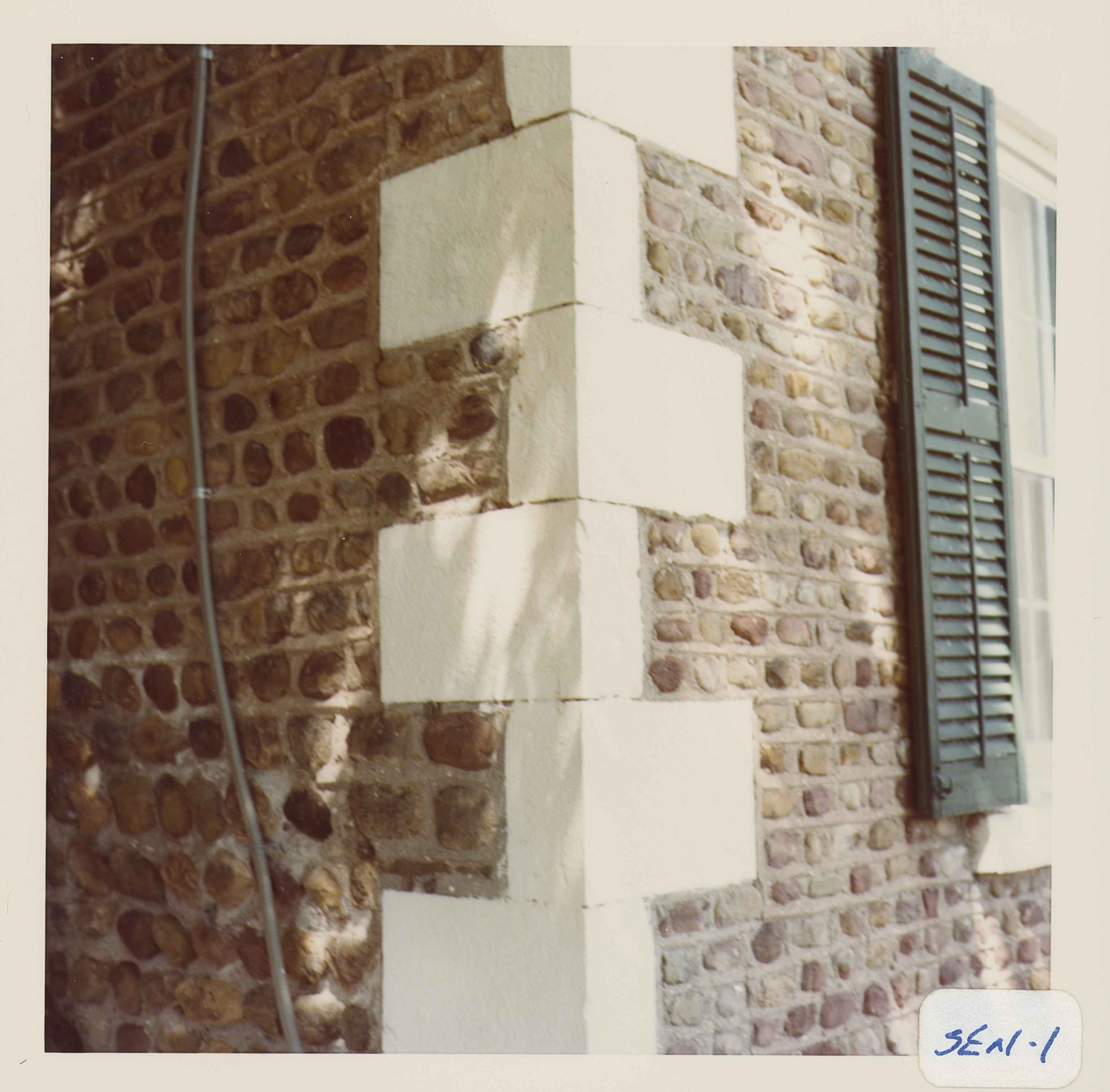 Sen_1_3.jpg |
 Sen_1_4.jpg | 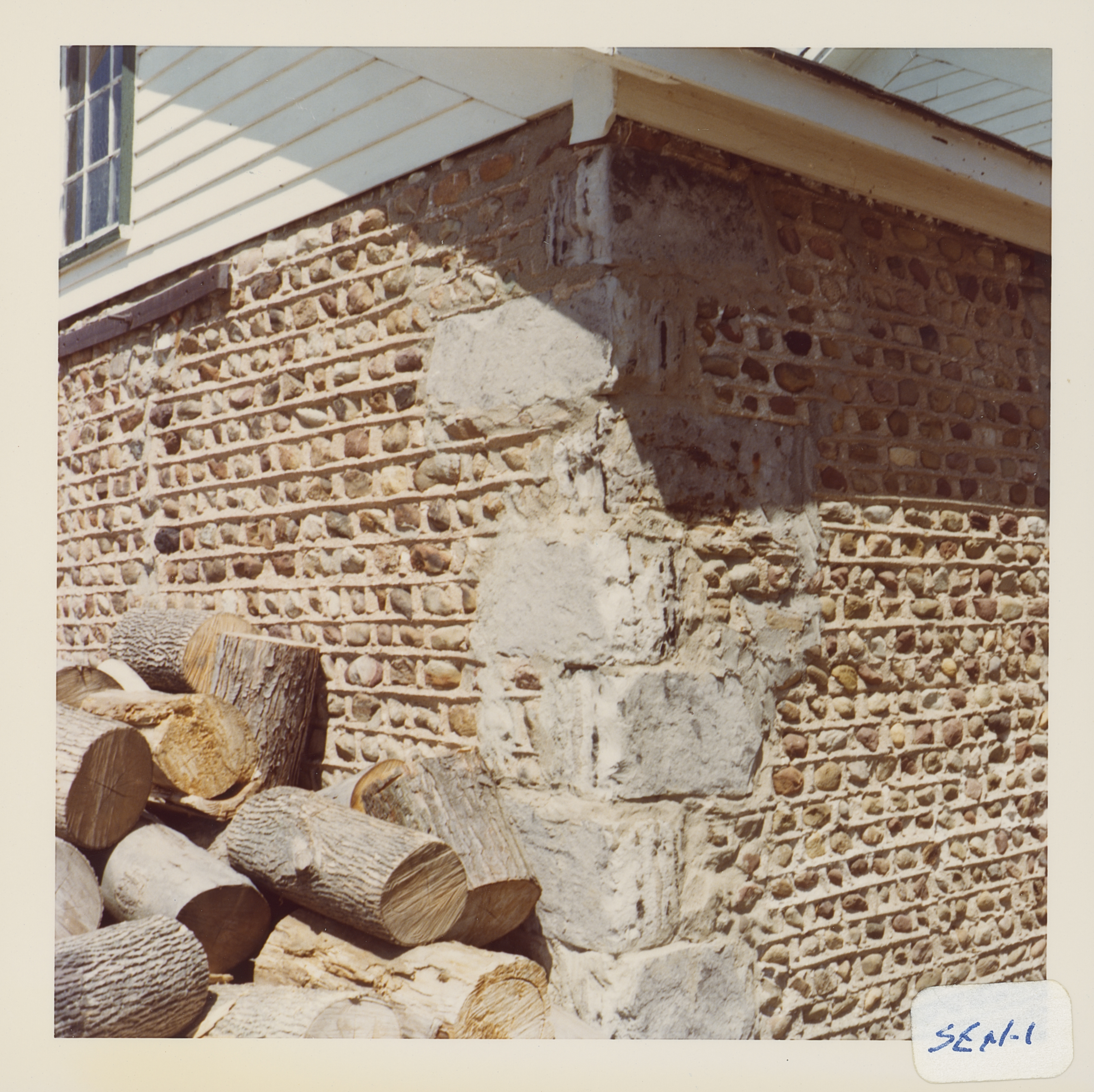 Sen_1_5.jpg | 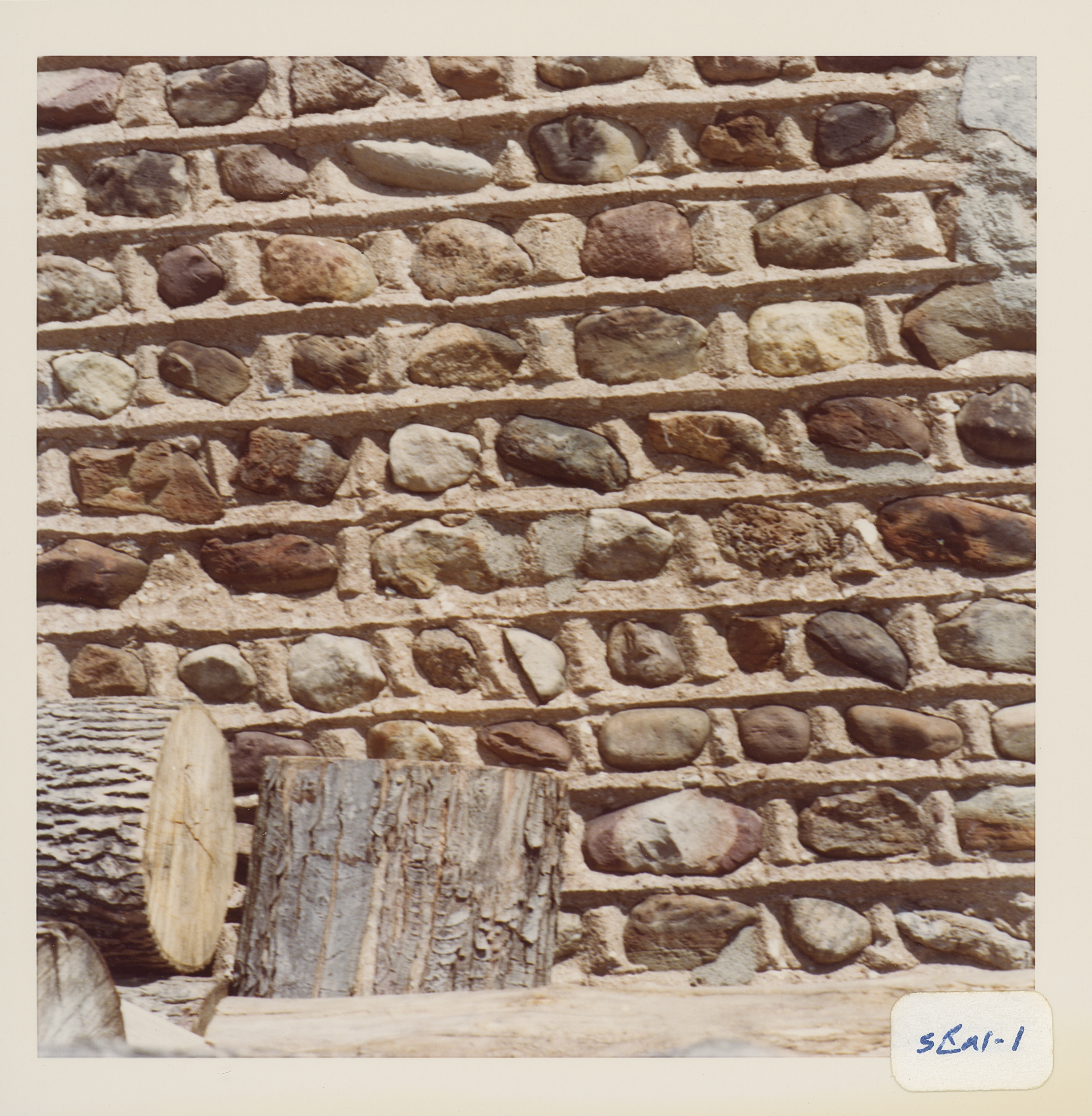 Sen_1_6.jpg | 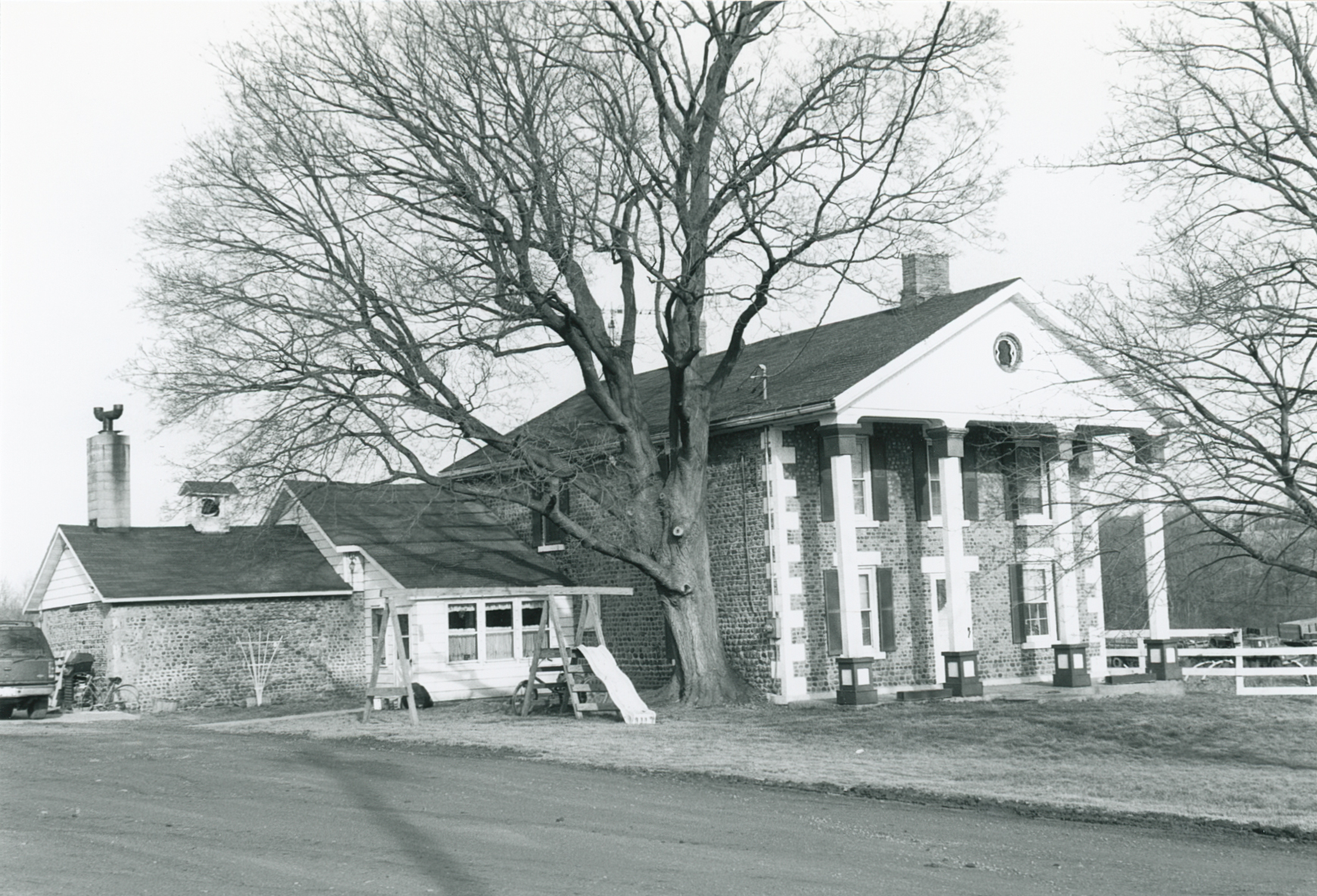 Jun-1 533 Dublin Rd 1.jpg 5 |
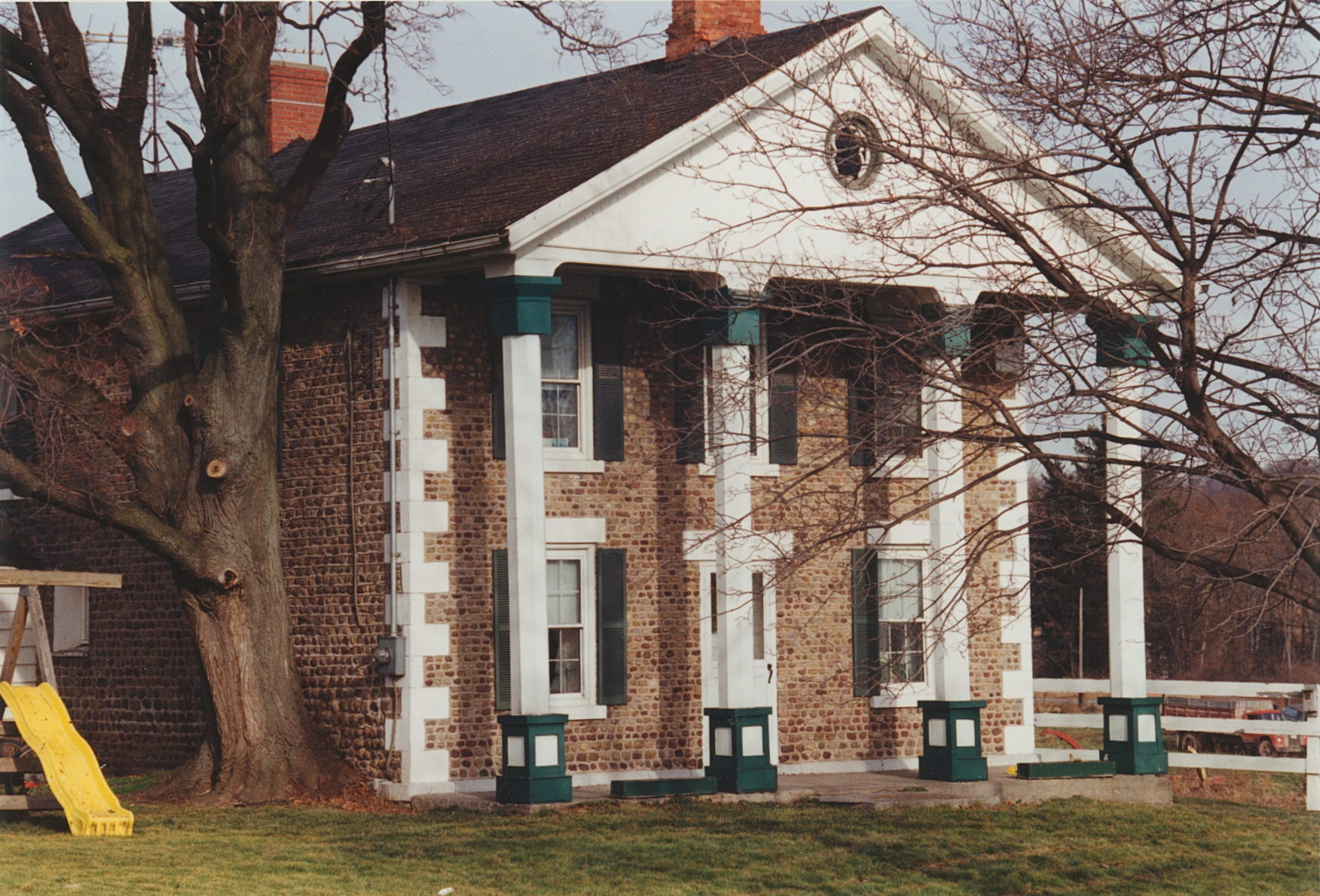 Jun-1 533 Dublin Rd 2.jpg 5 | 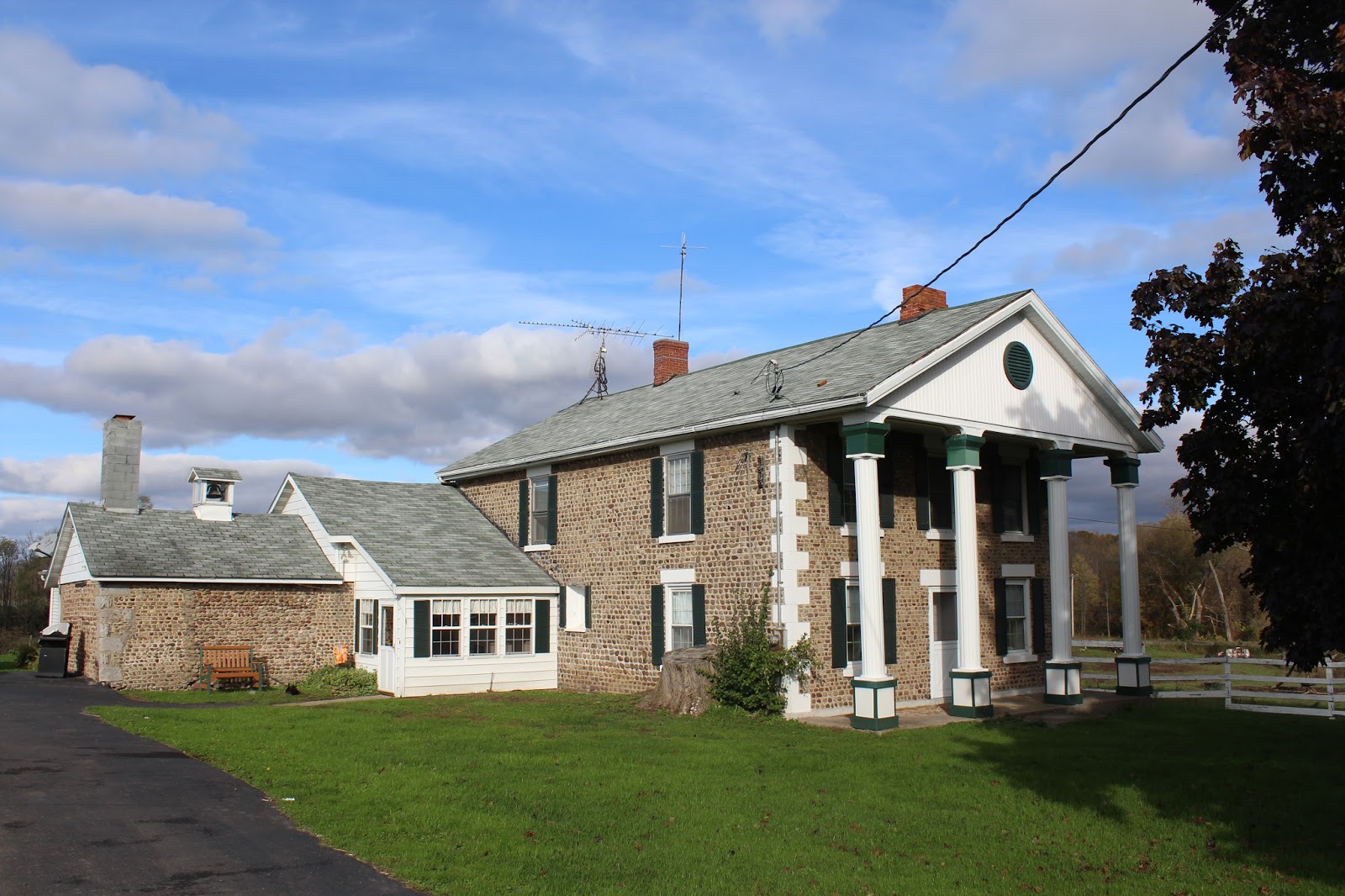 533 Dublin Road, Junius.jpg 6 | 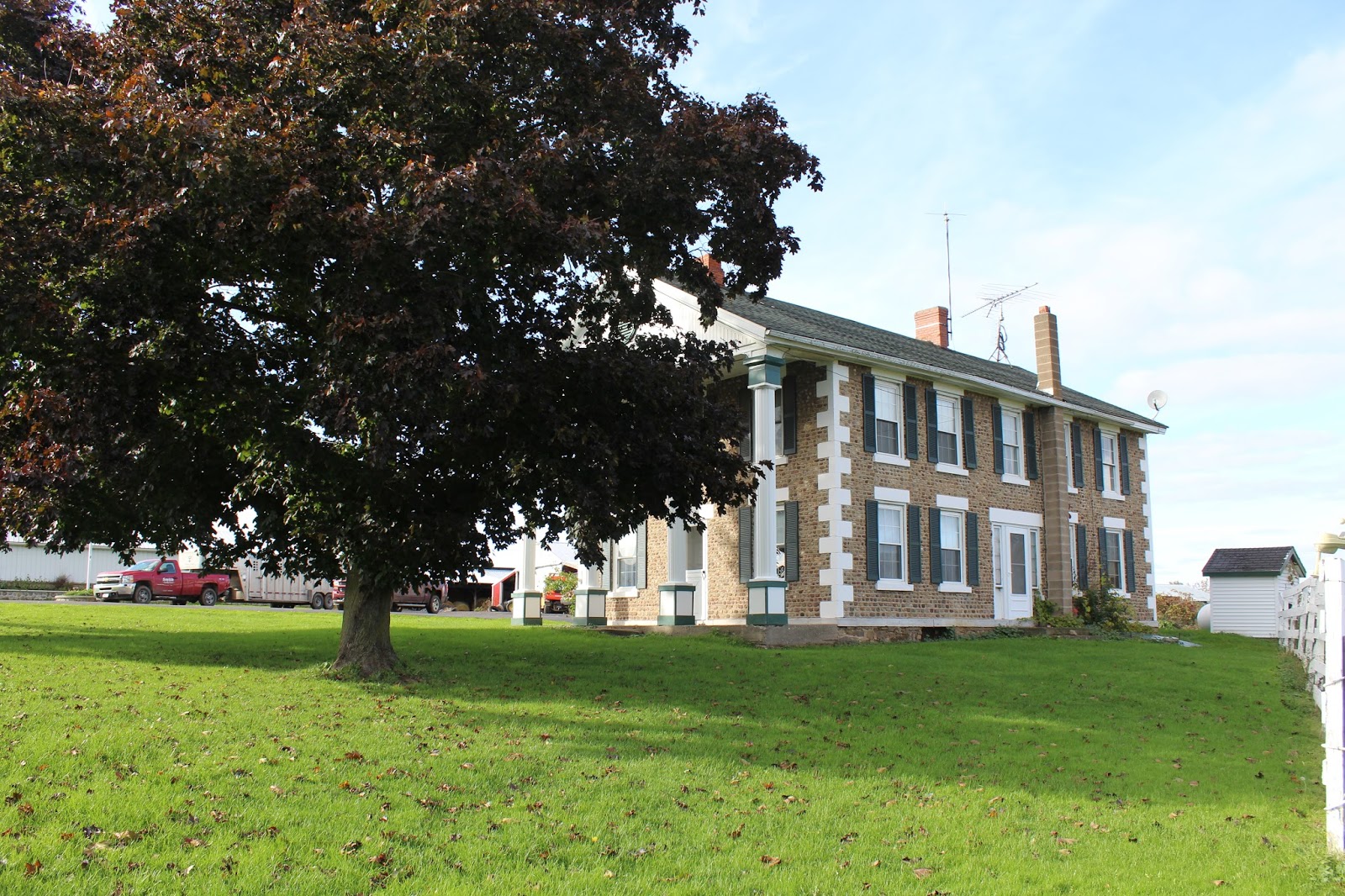 IMG_0390.jpg 6 | 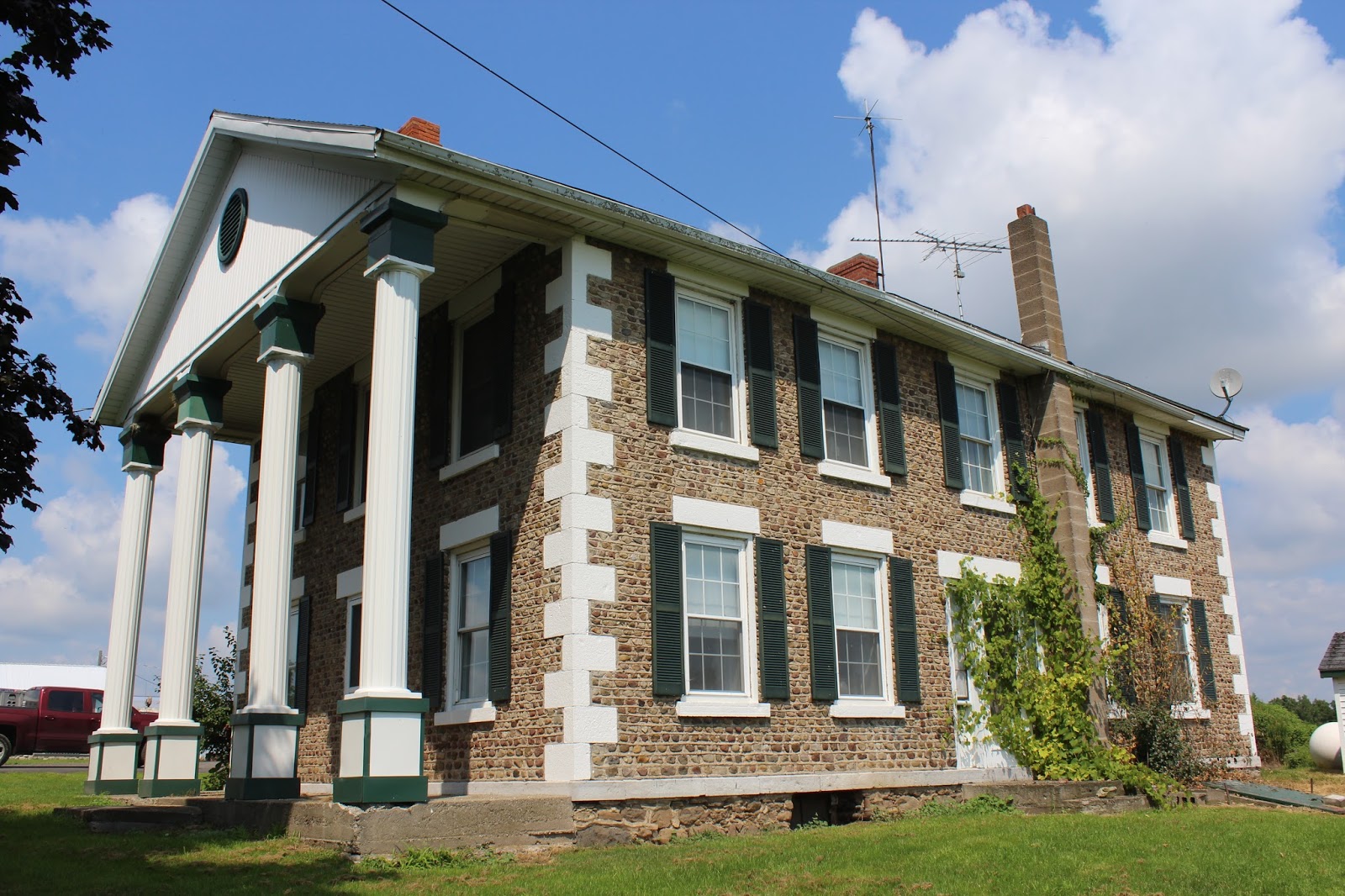 IMG_1590.jpg 6 |
¹ Image courtesy Cobblestone Museum.
² Image courtesy John Genung, former Curator Waterloo Library and Historical Society.
³ Photography courtesy Robert W. Frasch.
4 Photography courtesy Gerda Peterich. Cobblestone Museum.
5 Photography courtesy Martin and Sheila Wolfish.
6 Photography courtesy Richard Palmer.
